 DK
DK DE
DE ES
ES FR
FR IT
IT PL
PL TR
TR UK
UK CA
CA US
US JP
JPReducing Contamination Risks With Hygienic Bearing Housings
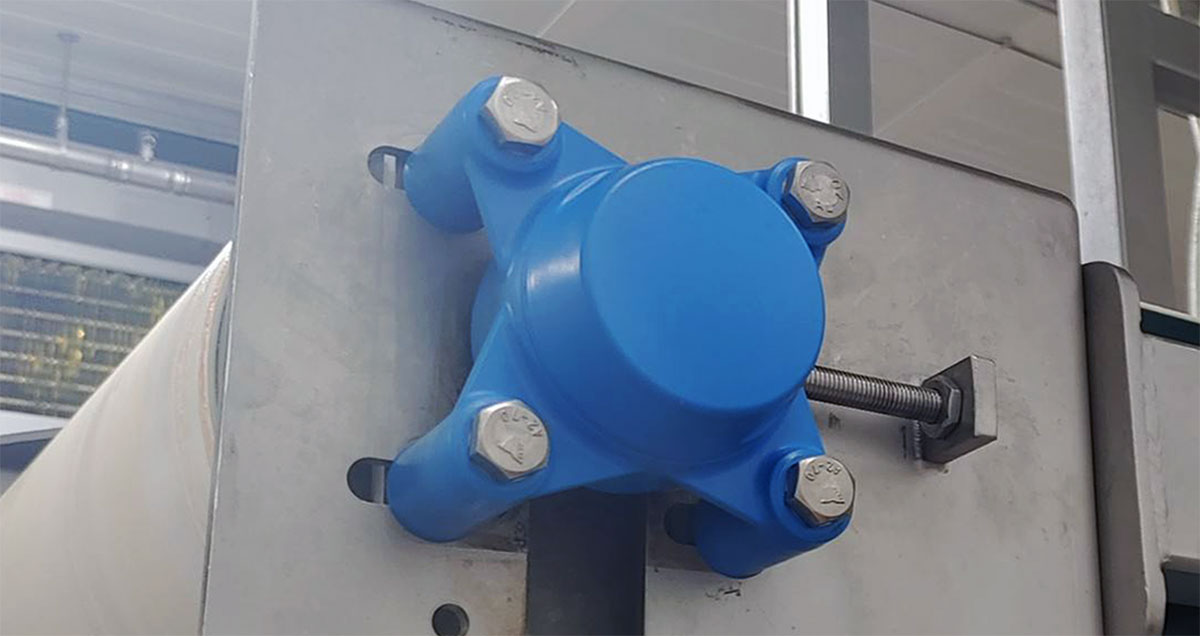
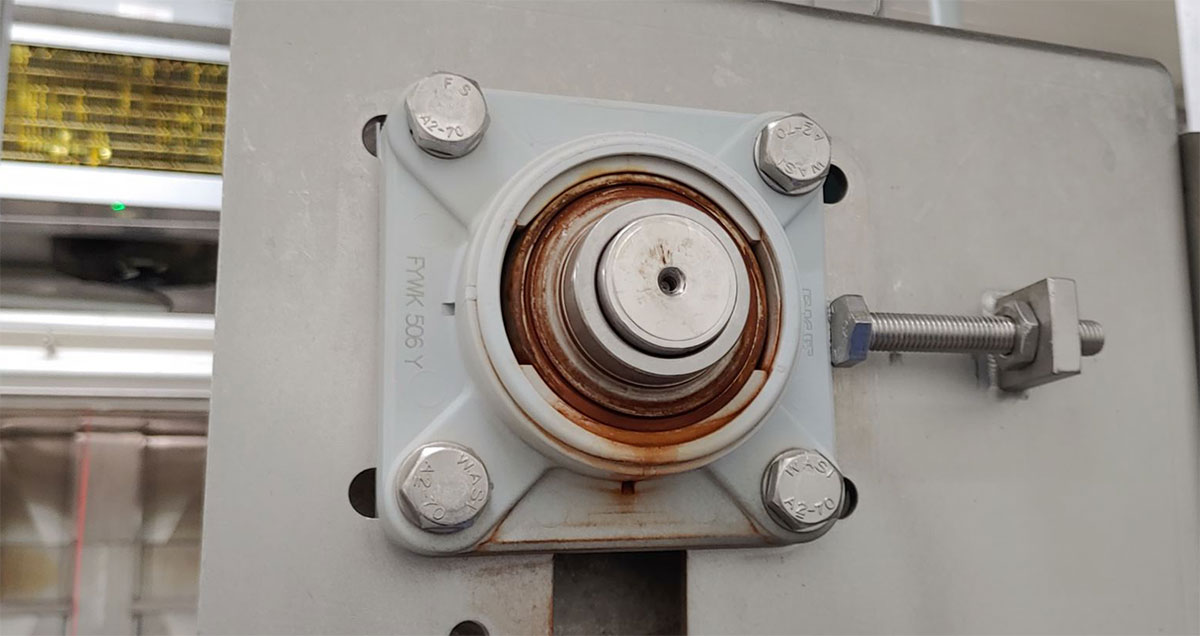
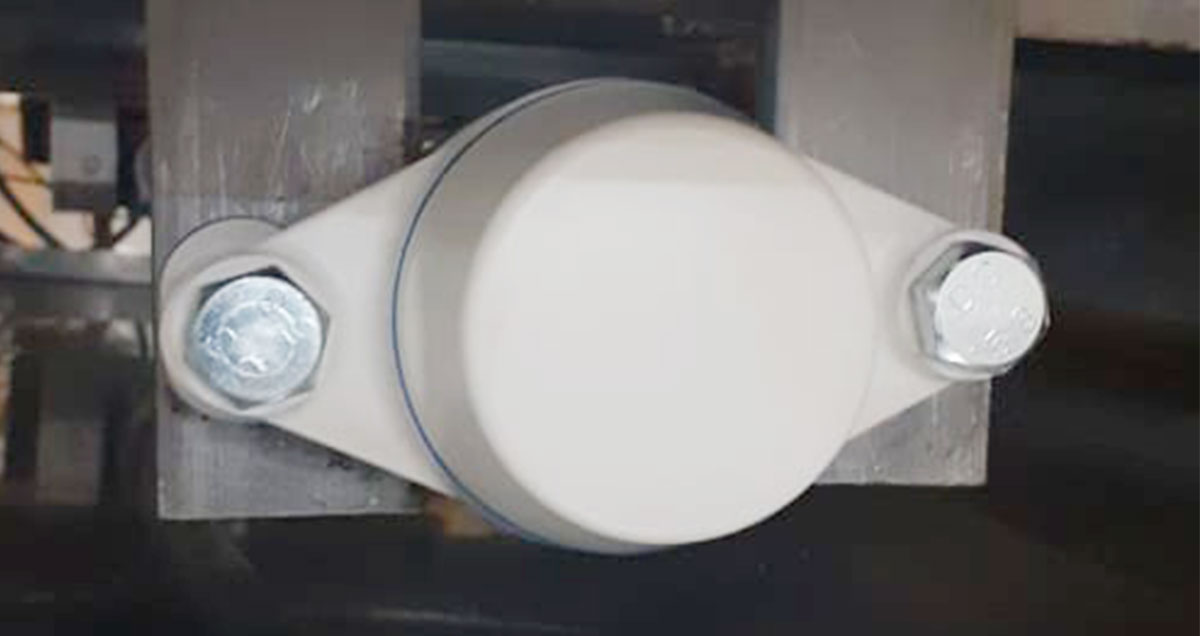
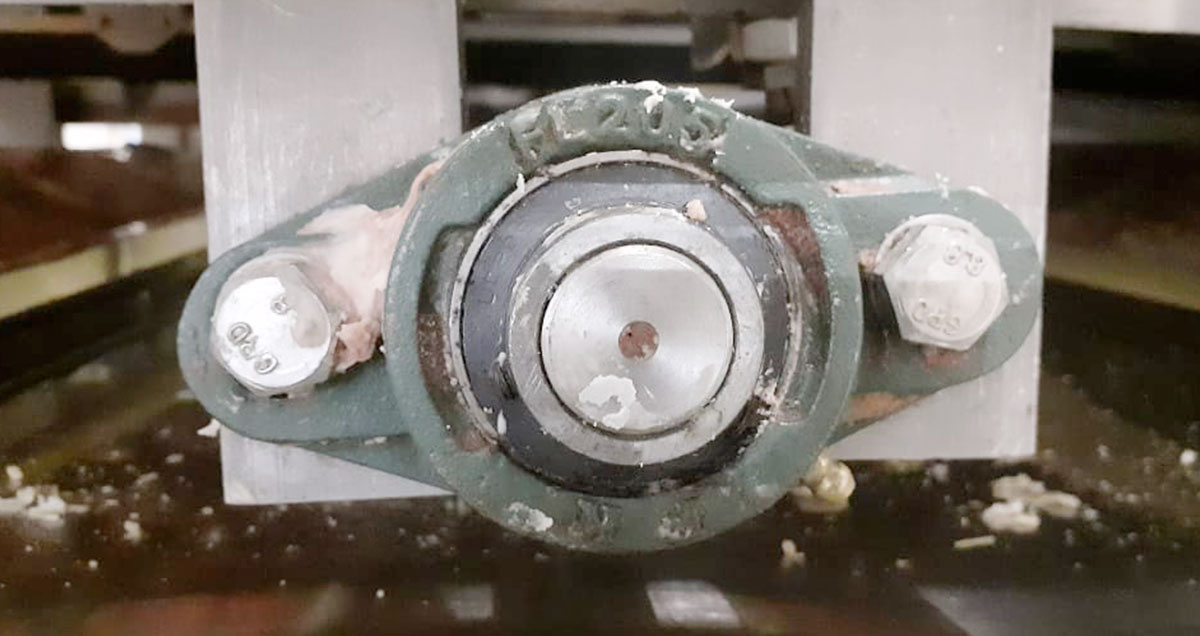
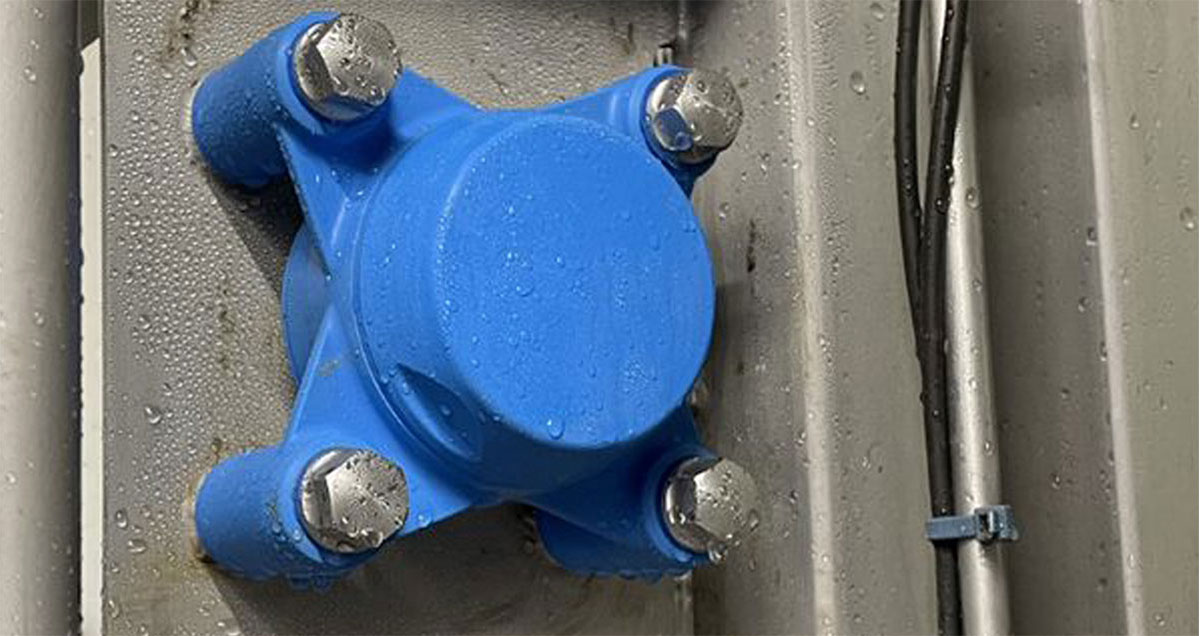
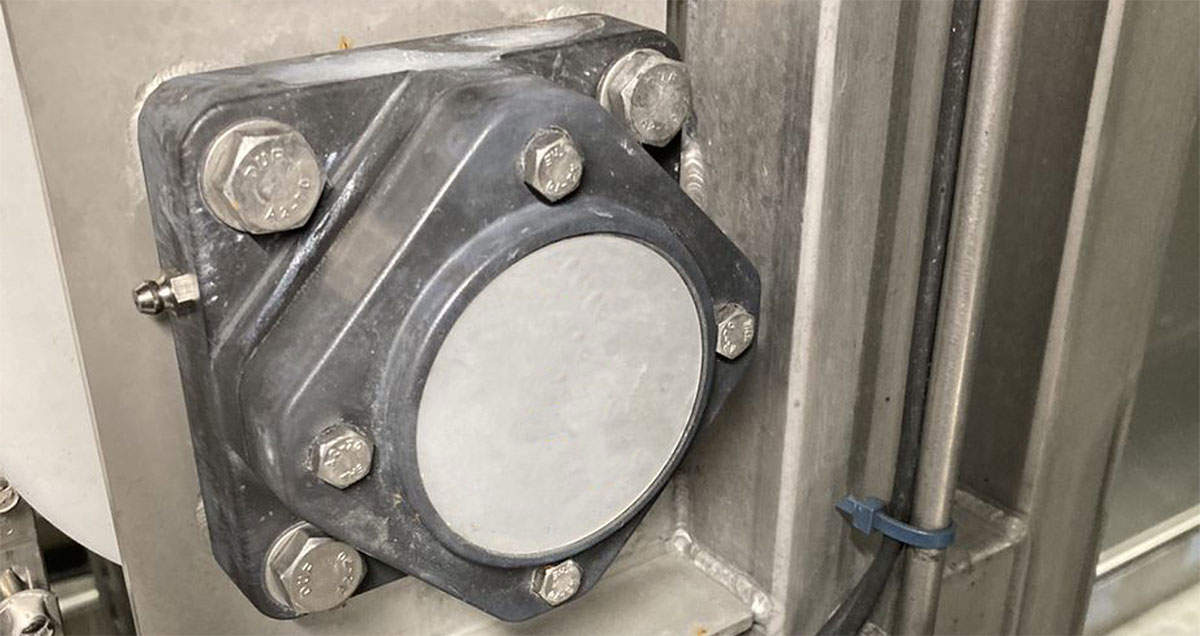
When you’ve spent over a decade inside food-production plants, you start noticing something: the components most likely to cause hygiene failures are rarely the biggest, most visible ones. They’re the unglamorous parts - the bolts, the seals, the welds, and very often, the bearing housings mounted on the machines.
I’ve walked countless lines across dairy, meat, bakery, and ready meal plants, and what’s striking is how often the cleaning strategy, uptime performance, or risk profile of a machine can be traced back to this one small component.
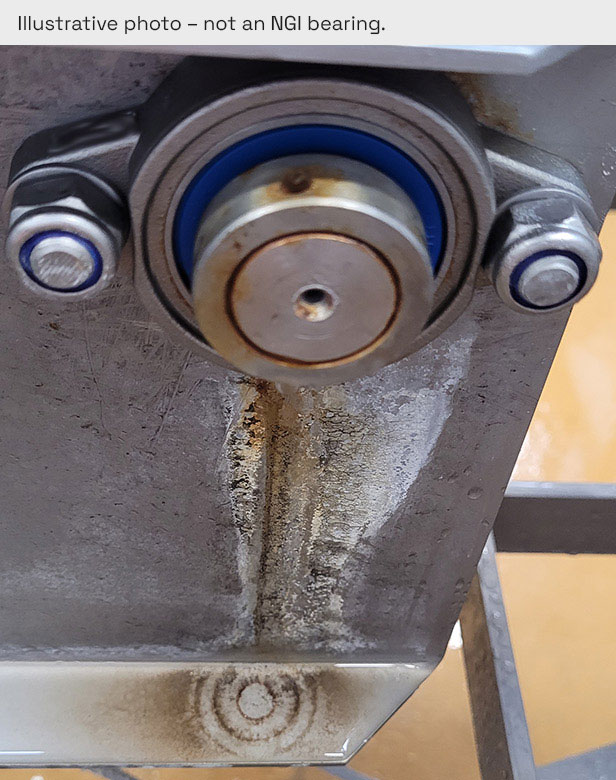
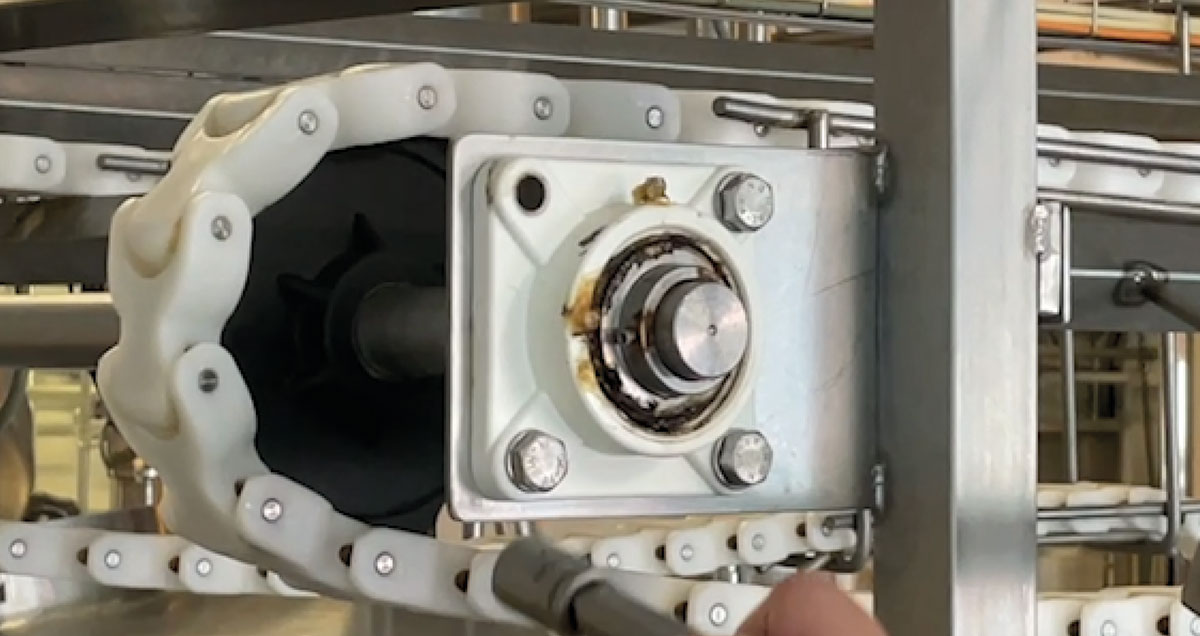
It collects water. It traps debris. It leaks grease and sooner or later, it contributes to either a mechanical failure or a contamination incident.
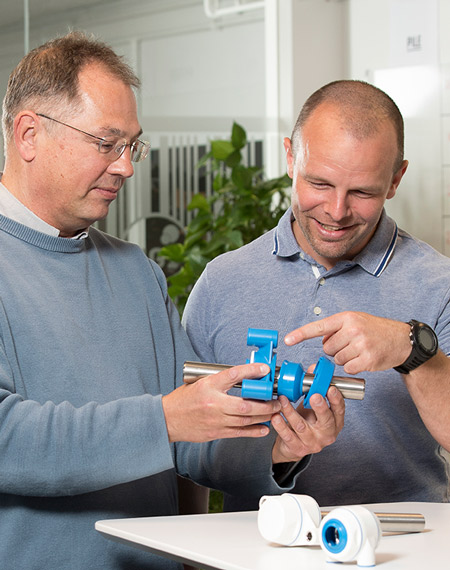
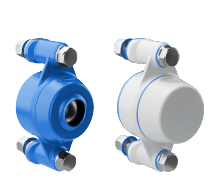
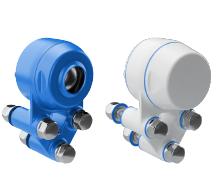
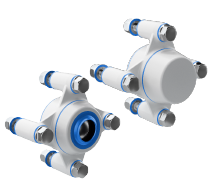
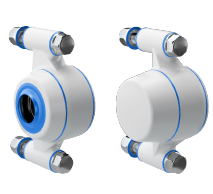
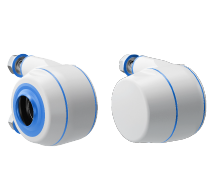
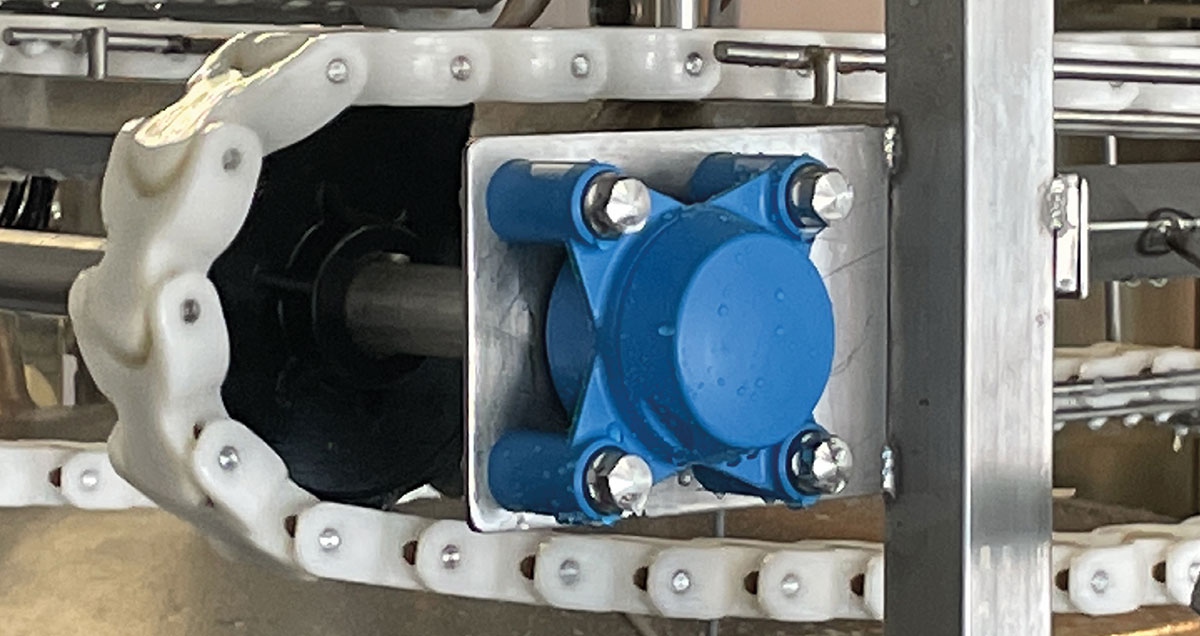
That’s why at NGI we put so much focus on hygienic bearing housings. They’re not accessories. They’re not “upgrades.” They’re control points - ones that directly impact uptime, cleaning efficiency, and the overall cost of running a machine.
- Written by Austin Davis, Category Manager – Bearings, NGI
This article breaks down why hygienic bearing housings matter, what contamination risks they eliminate, and how they influence Total Value of Ownership (TVO) for both OEMs and end users.